

Downtown San Diego Condo Living: 6 Tradeoffs to Weigh
Downtown San Diego Condo Living: 6 Tradeoffs to Weigh Before You Buy
City views, walkable blocks, and a lock-and-leave lifestyle make downtown condo living incredibly appealing. But as with any real estate decision, the benefits come paired with compromises that matter more once the excitement of touring sleek lobbies and rooftop decks wears off. If you are considering a condo in the urban core, it helps to look beyond the polished finishes and ask how the day-to-day reality fits your routine, budget, and long-term plans.

For many buyers, the biggest draw is convenience. Downtown puts restaurants, nightlife, entertainment venues, offices, waterfront paths, and cultural destinations within easy reach. Neighborhoods like the Marina District, Little Italy, East Village, and Columbia each offer a slightly different rhythm, from polished and quiet to energetic and fast-paced. That variety is part of the charm, but it also means your experience can vary block by block, building by building, and even by which side of the tower your unit faces.
Working with a brokerage that knows the local market can make those distinctions easier to understand. TR Realty focuses on San Diego real estate, which is especially valuable in a condo search where HOA strength, building age, amenities, noise exposure, parking setup, and future resale appeal all matter just as much as square footage. A great floor plan on paper may feel entirely different when matched with traffic patterns, nightlife spillover, or limited guest parking.
Tradeoff number one is lifestyle versus space. Downtown condos often trade detached-home square footage for location, views, and access. That can be a smart exchange if you value walkability and spend more time out enjoying the city than maintaining a yard. Still, buyers relocating from suburban neighborhoods are sometimes surprised by how much every closet, parking spot, and storage nook counts. The right question is not simply, “Is this enough space?” but rather, “Is this the kind of space I want to live in every day?”
Amenities and HOA Fees: Comfort Comes at a Cost
Tradeoff number two is amenities versus monthly overhead. Pools, fitness centers, concierge service, secure entries, resident lounges, and rooftop gathering areas can make condo living feel easy and elevated. They can also push HOA dues into a range that materially changes affordability. In some buildings, the dues support excellent maintenance and strong reserves. In others, buyers may be paying heavily for features they rarely use.
That is why a condo purchase should always include a serious look at the homeowners association. Reserve studies, pending assessments, owner-occupancy ratios, litigation history, and rules regarding rentals or pets all influence both your ownership experience and your future resale options. A lower monthly payment is not automatically the better deal if the building has deferred maintenance, while a higher fee may be reasonable if it covers extensive services in a well-run community.
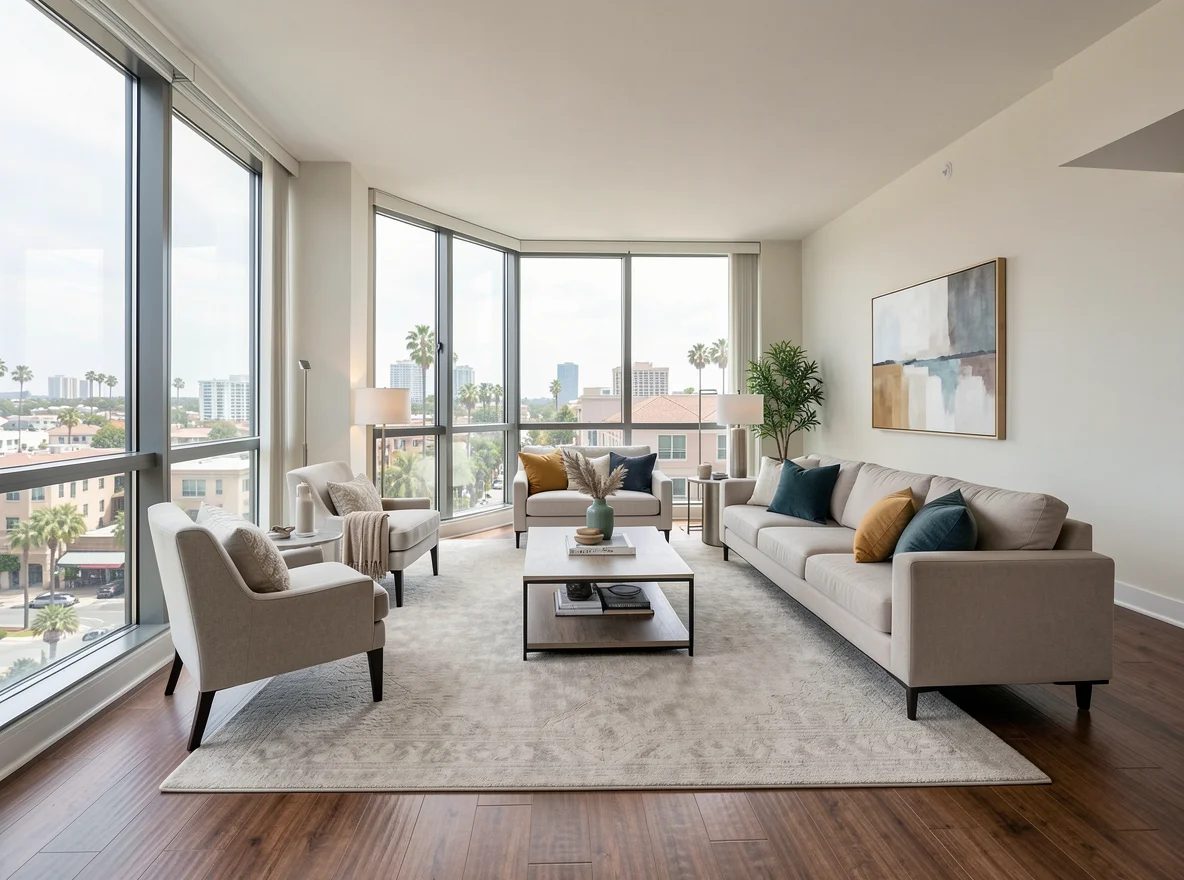
Tradeoff number three is energy versus peace and quiet. Some buyers love the pulse of the city: events nearby, late dinners, busy sidewalks, and a sense that something is always happening. Others discover that sound carries differently in dense urban settings than it does in lower-density neighborhoods. Street activity, trolley lines, game-day crowds, and nightlife can be exciting until you are trying to work from home or sleep with your windows cracked. The same district that feels thrilling on a Saturday evening may feel overstimulating on a Tuesday morning.
This is one of the most important reasons to visit a prospective building at different times of day. Morning traffic, afternoon foot activity, and weekend evenings can reveal patterns that a single showing misses. Unit orientation matters too. Upper floors, courtyard exposures, and insulated windows may create a very different experience from lower floors facing active corridors.
Tradeoff number four is security and convenience versus personal flexibility. Many condo owners appreciate controlled access, parking garages, package handling, and professional management. Those features can simplify life, especially for frequent travelers or part-time residents. At the same time, condo associations often come with rules covering move-ins, renovations, balcony use, pet limits, and leasing restrictions. For some owners, that structure feels reassuring. For others, it can feel limiting.
Schools, Daily Routines, and Long-Term Fit
Tradeoff number five is urban access versus family-style functionality. Downtown can work beautifully for professionals, couples, and buyers seeking a lower-maintenance home base, but households should think carefully about daily logistics. School preferences, commuting patterns, stroller access, dog routines, grocery runs, and pickup-dropoff convenience all become part of the equation. Buyers interested in schools often compare downtown living with nearby neighborhoods that offer different housing types and school pathways.
That does not mean downtown is only for one type of buyer. It simply means the lifestyle should fit how you actually live. Some residents thrive on being close to the waterfront, Petco Park, arts venues, and transit. Others eventually decide they want more interior space, easier loading, or quicker access to neighborhood parks. San Diego offers enough variety that there is usually a match, but finding it requires honesty about your habits, not just your wishlist.
Tradeoff number six is prestige and appreciation potential versus market sensitivity. Well-located condos in desirable downtown buildings can hold strong appeal, especially when inventory is tight and the building reputation is solid. But condos do not always move in the market exactly like detached homes. Buyer pools may narrow based on financing requirements, HOA levels, special assessments, or competition from new construction. Resale value often depends on details casual shoppers overlook, such as building management quality, layout efficiency, parking desirability, and view protection.
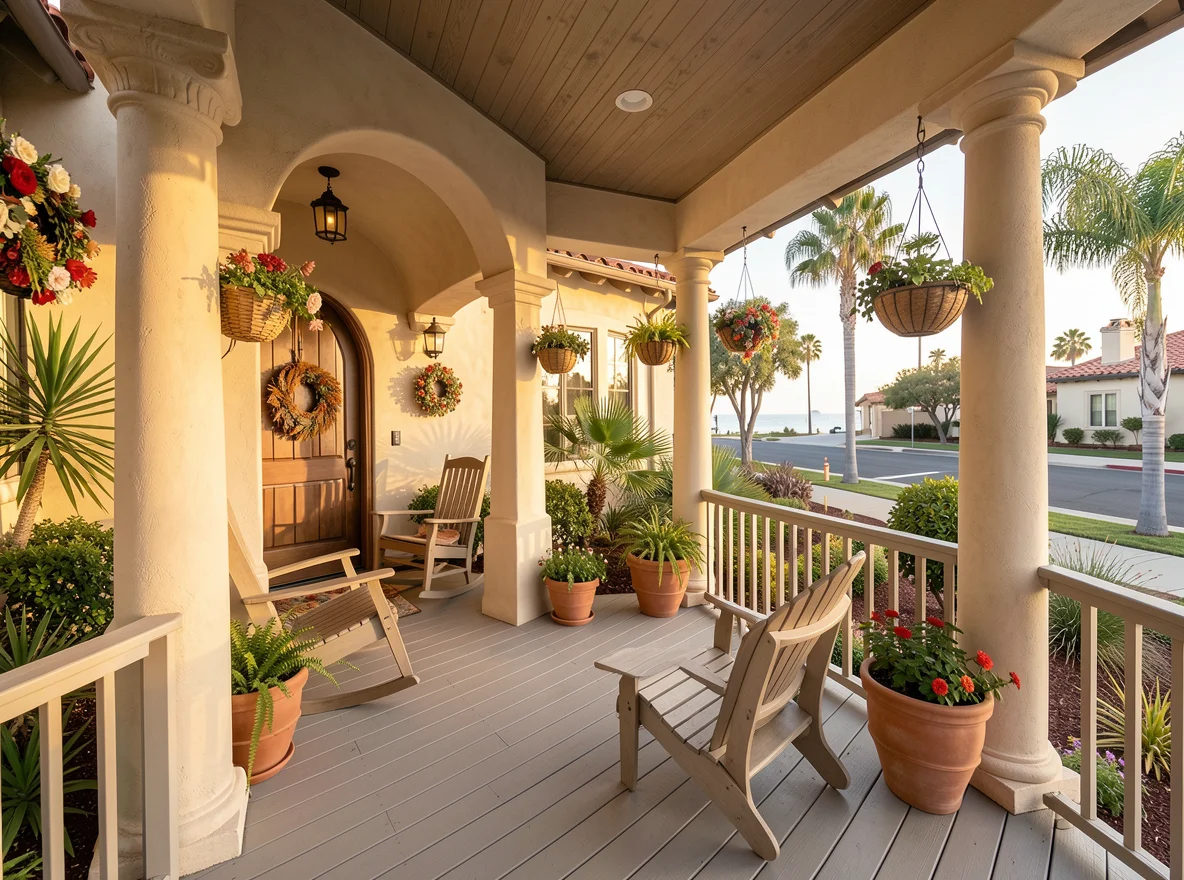
That is where local guidance matters. In downtown San Diego, two condos with similar square footage can perform very differently based on HOA financial health, short-term rental rules, amenity quality, and micro-location. A knowledgeable local brokerage can help you compare not just listings, but buildings as communities and investments. That perspective is hard to replace with online search filters alone.
There is also the question of what you want your home to do for you emotionally. Some buyers want a polished residence near everything, with views that feel cinematic at sunset and weekends that begin the moment they leave the elevator. Others want a quieter retreat with room to spread out and fewer shared walls. Neither goal is better; they simply point toward different choices.
In the end, downtown condo living is less about whether it is “worth it” in the abstract and more about whether the tradeoffs line up with your priorities. If you value walkability, access, lower exterior maintenance, and an urban rhythm, the right condo can feel like a major lifestyle upgrade. If space, privacy, and flexibility rank higher, another part of San Diego may serve you better. The key is to evaluate each building with clear eyes, practical questions, and local insight before making your move.